Twenty Companies, One Risk
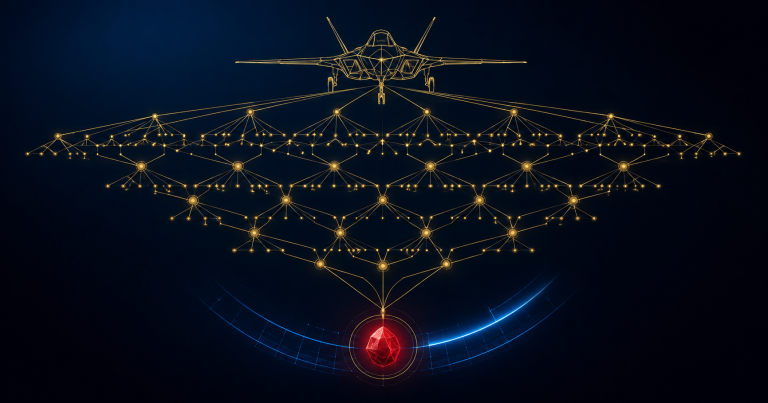
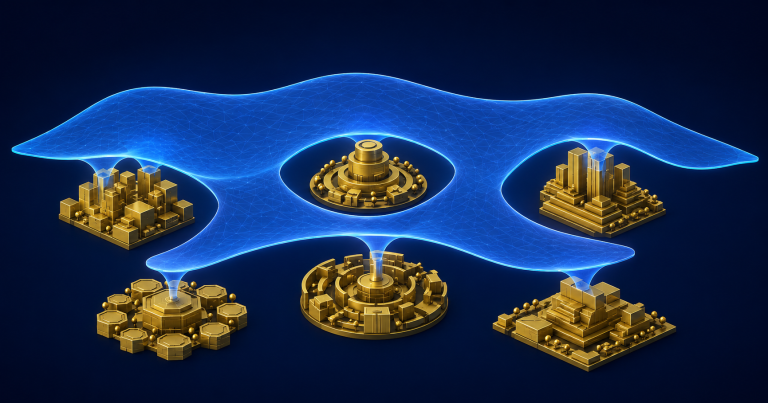
A defense-tech fund can hold twenty companies and one risk. When the shock arrives, it reaches every company that shared the exposure nobody mapped.
Intelligence briefings at the intersection of defense, aerospace, and emerging technology — quantum intelligence, cybersecurity, insurtech, space and satellite risk, maritime supply chain, sustainment economics, and compliance.
A defense-tech fund can hold twenty companies and one risk. When the shock arrives, it reaches every company that shared the exposure nobody mapped.
A defense program can be fully funded and still stop, because a metal it needs comes from one mine on the wrong side of a rivalry.
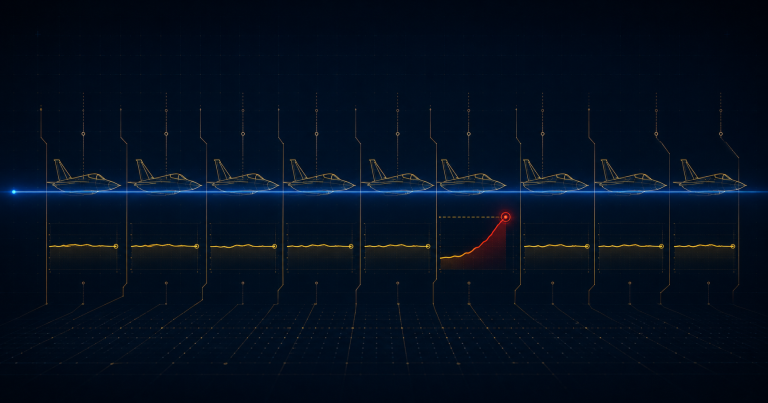
Readiness is a prediction renewed every day: which systems start when needed, which don’t. The data to anticipate failure usually exists before it happens.
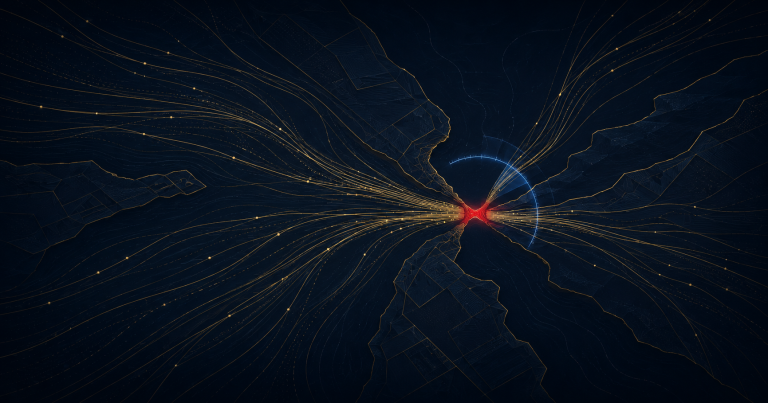
Both major maritime chokepoints are in crisis at once. For a shipper with goods on the water, the route is no longer logistics — it is risk.
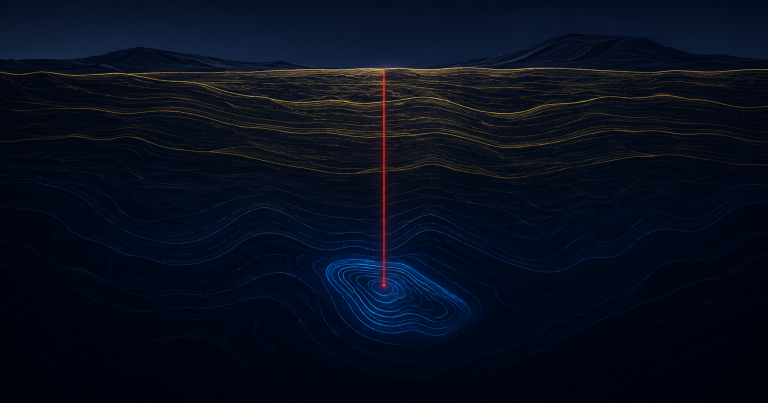
The dry hole is exploration’s largest controllable cost. Bringing subsurface evidence to target selection, before the rig moves, is how a program cuts it.
Replacing your systems requires believing your systems are the problem. They aren’t. They’re doing their jobs. They simply can’t see each other.
Standard general liability excludes property in your care, custody or control. If you run a hangar, that exclusion sits on top of your largest exposure.
Adversaries collect encrypted defense data today to decrypt when quantum arrives. No log entry, no alert, no notification. The exposure is already live.
Three-quarters of healthcare ransomware now steals data before encrypting it. Backups answer the wrong question. The average intrusion hides for 241 days.
On July 13, 2026 the DoW suspended CMMC Phase II and the November deadline. What it did not suspend: DFARS 7012, NIST 800-171, your Phase I self-assessment.